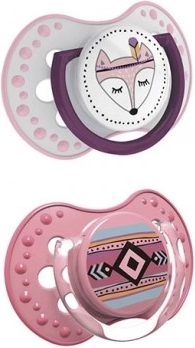
LOVI Pacifier 3-6m silicone dynamic Indian Summer 2 pcs
6,80 €
Not in stock
Product code:
497335-0
Free shipping on orders over €149.00
Hassle-free returns within 30 days
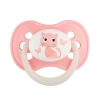
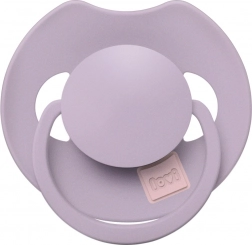
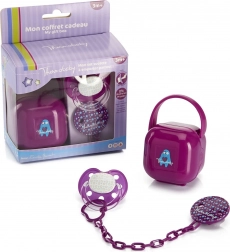
The LOVI dynamic pacifier was developed in cooperation with speech therapists to ensure the natural and healthy development of your child’s palate, teeth, and gums. The silicone symmetrical dynamic LOVI pacifier has been clinically tested. All LOVI pacifiers are BPA-free. All LOVI pacifiers are made of silicone, which is tasteless and odorless. Silicone pacifiers have a longer lifespan and are easier to keep clean. The unique symmetrical dynamic nipple vents very well and does not deform the child’s palate: - prevents the reflex of biting the pacifier - allows natural swallowing of saliva - supports healthy speech development and bite formation - does not deform the child’s palate - vents very well. The dynamic nipple is made of heterogeneous layers of silicone, so it elongates and contracts according to the child’s sucking rhythm. The symmetrical shape resembles the mother’s nipple. The shape of the nipple also allows the pacifier to be placed in the child’s mouth in any position (there is no designated top or bottom). The contoured cut-out shield shape allows the child to breathe freely through the nose. It is made of a safe material that does not contain BPA. The unique rim of the shield is made of medical-grade material, is pleasant to the touch, and prevents pacifier imprints. Holes in the shield allow air circulation, prevent saliva from accumulating behind the shield, and thus avoid irritation of sensitive baby skin. The ring on the pacifier holds firmly, making it easier to hold and pass the pacifier. You can attach a chain or cord to it. For hygiene reasons, the pacifier is equipped with a plastic cap. The plastic box serves as a case for hygienic storage of pacifiers. The LOVI pacifier has received consumer awards. Pacifiers are available in many modern color prints. Set includes: 2 pcs LOVI dynamic pacifier 2 pcs plastic pacifier cap 1 pc plastic box Instructions for use: Before first use, sterilize the pacifier in boiling water for about 5 minutes for hygiene reasons. After cooling, squeeze out any remaining water from the pacifier. Before each use, wash the pacifier in warm water. Do not use any chemical disinfectants! High concentrations of such agents may damage the plastic parts of the pacifier. Never dip the pacifier in sweet substances or medicines—you expose the child to the risk of tooth enamel damage. Use the pacifier for a maximum of 1–2 months, then replace it with a new one for hygiene and safety reasons. If the pacifier enters the child’s mouth, DO NOT PANIC—the pacifier is designed so that the child cannot swallow it and you can safely remove it in such cases. Remove the pacifier as carefully as possible. Store the pacifier in a clean, dry, and closed case. We do not recommend using a pacifier for a child older than 3 years. Warning! Important for the health and safety of your child! Check the pacifier before each use. Pay increased attention once the child’s first teeth appear. Test the nipple by thoroughly stretching it in all directions. At the first signs of damage, discard the pacifier immediately and do not use it further. Use only pacifier holders that comply with EN 12586. Never attach the pacifier to various strings, shoelaces, or ribbons from clothing. The child may suffocate. Do not leave the pacifier in direct sunlight, near a heat source, or in disinfectants longer than recommended—you may weaken the nipple. Keep the removed cap out of the child’s reach to prevent possible suffocation. The silicone pacifier complies with: Directive 2001/95/EC of the European Parliament and of the Council on general product safety, EN 1400-1 Child care articles - Soothers for babies and young children - Part 1: General safety requirements and product information, EN 1400-2 Child care articles - Soothers for babies and young children - Part 2: Mechanical requirements and tests, EN 1400-3 Child care articles - Soothers for babies and young children - Part 3: Chemical requirements and tests.